Arabica Coffee Vietnam
Arabica Coffee from Vietnam - Sourcing, Marketing, Export


We are a team of coffee lovers from Vietnam who specialized in Arabica coffee sourcing and marketing. We help people and companies around the world to source and buy the best Arabica, Robusta and Hybrid coffees from Vietnam. We collaborate with coffee growers all across the whole Country in order to find the best coffee for the clients and to share with the world.
We connect coffee farmers and local wholesalers with coffee importers and buyers based on the requirements. We also have an online shop where we present some of the best arabica and robusta coffee blends you can buy to enjoy at home and with your loved ones. Contact us if you are a coffee importer and our team will be happy to help you. Thank you!

Buy Vietnamese Arabica Coffee online


About the Coffee in Vietnam

Vietnam has 3 Different Types Of Coffee Beans: Arabica (Catimor, Moka, Typica, Bourbon, Pacamara), Robusta and Cherry.
The volume of coffee exports from Vietnam is around 26 million 60-kilogram bags per year. Vietnam is among the leading coffee exporters in the world and is the second biggest coffee producer globally behind Brazil.
Click here to learn more about the coffee history and production in Vietnam.
The main type of coffee beans that are grown and exported is Robusta. Robusta coffee is known to be stonger in caffeine than the arabica with a thick lingering taste and higher acidity level. The strong taste makes the rich and distinctive taste. Robusta coffee beans comes from plants that are stronger and more adaptable so they can grow well in different type of environments.
Arabica coffee contains less caffeine and is often considered superior in taste for many coffee drinkers around the world. The arabica from Vietnam tends to have a smoother and sweeter taste with flavour notes of chocolate.
The beauty of coffee is that it can meet all the coffee lovers tastes wether the person likes to add sugar, milk or not.
Coffee production in Vietnam is concentrated in the Central Highlands and the Arabica coffee is mainly grown in Lam Dong province. The terrain there offers the perfect conditions for growing arabica coffee. The soil is rich and the highland elevations contributes to the slow development of the coffee cherry which gives ultimately a sweeter and excellent coffee.
Robusta accounts for more than 92% of the total coffee growing area in Vietnam.
Arabica varieties are responsible for only a few percent and that is why the Arabica coffee from Vietnam is considered as a precious jewel of the Country because of its rarety and its amazing taste.
Though arabica coffee is less common in Vietnam more farmers are showing interest to grow this variety of coffee. One of the most popular sub-variety of arabica coffee in Vietnam is called Catimor. It is an hybrid between arabica and robusta beans.
The majority of Robusta varieties that are currently grown in Vietnam are the so-called high-yield varieties but there are a dozens of different new Robusta varieties that are planted across the Country. This coffee is far easier to grow than Arabica because of its lower production costs and its resistance too many of the pests and disease that is knowed to affect the Arabica coffee plants. Also, arabica coffee plants can sometimes be significantly damaged by simple changes in the input of water and or fertilizer. The different varieties of coffee can adapt differently to the soil and the climate where the plants are grown. That is why it is so important for the farmers to choose the good variety of coffee that will grow well in their area in order to produce the more volume and the best quality possible.
Instant Coffee Supply


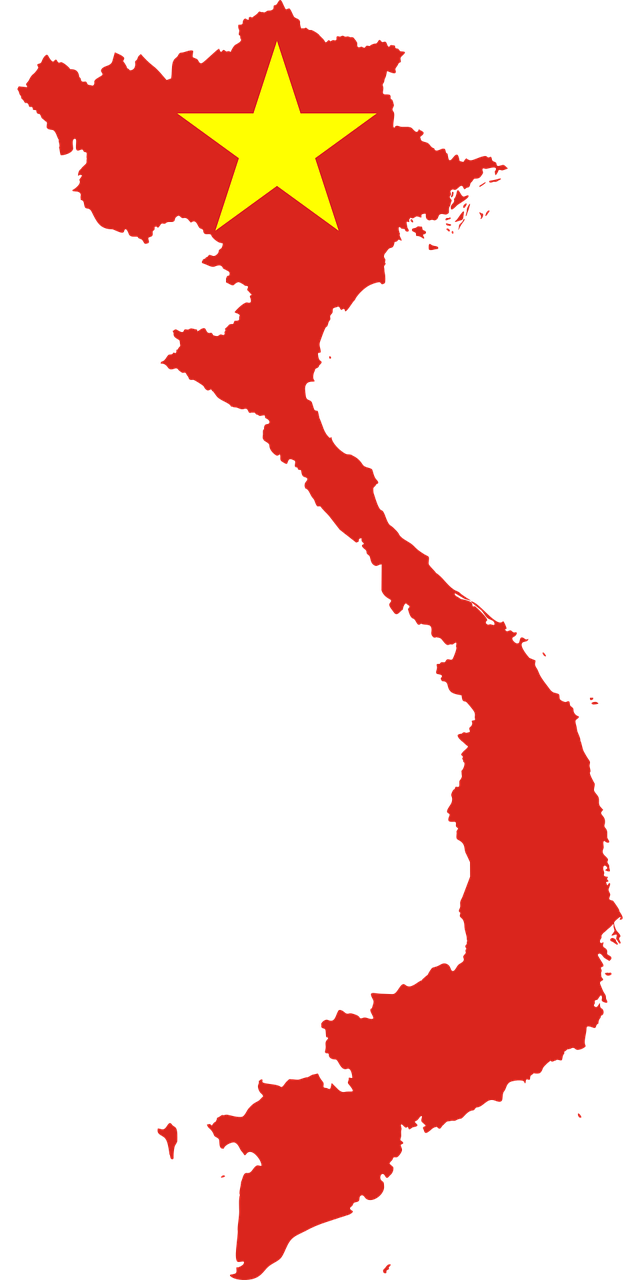
Vietnam Arabica Coffee
Vietnamese Arabica Coffee for International Markets
Vietnam is internationally recognized as one of the world's major coffee-producing countries, particularly for Robusta. However, Vietnam also has a distinctive Arabica coffee sector, with production concentrated in cooler, higher-elevation growing regions where conditions are more suitable for Arabica cultivation.
Vietnamese Arabica offers international buyers an opportunity to explore coffee from a different side of Vietnam's coffee industry — from established producing regions in the Central Highlands to emerging Arabica-growing areas in the northern highlands.
Coffiz works with established Vietnamese producers and suppliers to help international buyers explore suitable Vietnamese Arabica coffee according to their requirements, destination market and intended application.
What Is Vietnamese Arabica Coffee?
Vietnamese Arabica is coffee produced from Coffea arabica varieties grown in suitable regions of Vietnam.
Compared with Robusta, Arabica generally prefers cooler temperatures and higher elevations. These conditions are found in selected mountainous areas of Vietnam, rather than throughout the country's main coffee-growing belt.
The combination of altitude, climate, soil, variety, cultivation practices, harvesting and processing can influence the character of the finished coffee. As a result, Vietnamese Arabica should not be considered a single uniform product. Coffee from different regions, farms and processing methods can offer significantly different profiles.
For international buyers, origin and specification are therefore important when evaluating Vietnamese Arabica supply.
Vietnam's Coffee History
Coffee was introduced to Vietnam during the nineteenth century and gradually developed from a relatively small agricultural crop into an important part of the country's agricultural economy.
The coffee sector expanded considerably during the twentieth century, particularly from the second half of the century onward. Large-scale development of the Central Highlands helped establish Vietnam as a major coffee-producing country, with Robusta becoming the dominant variety.
Arabica developed differently. Because Arabica generally requires more suitable altitude and climatic conditions, production remained concentrated in selected mountainous areas.
Over time, improvements in cultivation, varieties, processing and agricultural practices have supported the development of Vietnam's Arabica sector and helped create greater interest in Vietnamese Arabica in international markets.
Where Is Arabica Grown in Vietnam?
Vietnamese Arabica is associated primarily with higher-elevation and cooler growing areas.
Lam Dong
Lam Dong, in the Central Highlands, has long been one of Vietnam's important Arabica-producing areas. The province contains elevated coffee-growing areas with climatic conditions suitable for Arabica cultivation.
Son La
Son La, in northern Vietnam, has become increasingly important for Arabica production. Its mountainous terrain and elevation create growing conditions that are different from Vietnam's traditional Robusta-producing regions.
Dien Bien
Dien Bien is another northern highland area associated with Arabica cultivation. The region's mountainous environment and cooler conditions provide a suitable setting for Arabica production.
Other areas of Vietnam also have Arabica cultivation, but production is more geographically concentrated than Robusta.
Vietnam Arabica Growing Conditions
Arabica generally performs best in environments with suitable altitude, moderate temperatures and appropriate rainfall and soil conditions.
Vietnam's mountainous Arabica regions can provide:
-
Higher elevations
-
Cooler growing conditions
-
Distinct seasonal patterns
-
Suitable soils and agricultural environments
-
Different microclimates between producing areas
Altitude can influence cherry development and maturation, while local climate, variety, farming practices and processing all contribute to the final characteristics of the coffee.
This is one reason Vietnamese Arabica should be evaluated by origin, variety, processing method and specification, rather than simply by country.
Arabica Varieties in Vietnam
Vietnamese Arabica production includes several varieties and genetic selections.
Historically, Catimor has been particularly important in Vietnam because of its adaptability and resistance to certain coffee diseases. Catimor is a hybrid involving Arabica and Timor Hybrid genetics and has played a significant role in the development of Vietnamese Arabica.
Vietnam has also developed and introduced other Arabica selections intended to improve productivity, adaptability and cup quality.
The genetic composition of Vietnamese Arabica continues to evolve, with producers and researchers working with varieties better suited to local growing conditions and different quality objectives.
For buyers, the variety can therefore be an important part of the specification when evaluating Vietnamese Arabica.
Arabica Coffee Bean Types
Arabica is not a single type of coffee bean. Different varieties and cultivars can produce different physical and sensory characteristics.
Depending on origin and producer, Vietnamese Arabica may include varieties such as:
-
Catimor
-
Typica
-
Bourbon
-
Caturra
-
Other Arabica selections and locally adapted varieties
Availability varies by producing region and supplier.
Buyers interested in Vietnamese Arabica may therefore wish to specify not only Arabica, but also the preferred origin, variety, processing method, quality level and intended application.
Processing Vietnamese Arabica
Processing has a major influence on the final character of coffee.
Vietnamese Arabica may be processed using different methods depending on the producer, region and market requirements.
Washed Coffee
The washed process generally involves removing the fruit from the coffee cherry, fermentation or mechanical cleaning, washing and controlled drying. Washed coffees are often valued for clarity and a cleaner expression of origin.
Natural Coffee
In natural processing, the coffee cherry is dried with the fruit surrounding the seed before the dried fruit is removed. This can contribute to a fruitier and fuller sensory profile.
Honey or Pulped-Natural Processing
Honey processing removes some or most of the fruit while allowing part of the mucilage to remain during drying. Different approaches can produce different levels of sweetness, body and fruit character.
The available processing methods depend on the producer and supply program. Buyers should confirm the specific process and specification for each coffee.
What Can Vietnamese Arabica Taste Like?
There is no single flavour profile for Vietnamese Arabica.
Depending on variety, altitude, processing and growing conditions, Vietnamese Arabica can display characteristics such as:
-
Chocolate
-
Caramel
-
Nuts
-
Citrus
-
Stone fruit
-
Dried fruit
-
Floral notes
-
Sweetness
-
Balanced acidity
-
Medium to full body
These characteristics should be considered indicative rather than guaranteed. The actual cup profile depends on the specific coffee, production area, processing method, harvest and preparation.
Green Vietnamese Arabica Coffee
For international coffee buyers, Vietnamese Arabica is commonly evaluated as green coffee before roasting.
A commercial specification may include factors such as:
-
Origin and growing region
-
Arabica variety
-
Crop or harvest period
-
Processing method
-
Screen size
-
Moisture
-
Defect level
-
Bean appearance
-
Cup profile
-
Packaging
-
Quantity available
-
Delivery destination
The appropriate specification depends on the buyer's intended use and market.
For roasters, importers and coffee companies, understanding these details is important when comparing Vietnamese Arabica with other origins.
Vietnamese Arabica for Export
Vietnamese Arabica can serve different international markets and applications, including:
-
Coffee roasters
-
Green coffee importers
-
Coffee brands
-
Specialty coffee businesses
-
Distributors
-
Wholesalers
-
Food and beverage companies
-
Private-label coffee programs
-
Coffee chains and foodservice businesses
The commercial suitability of a particular coffee depends on the buyer's requirements, target market, quality expectations, quantity and delivery requirements.
Vietnam's established coffee industry and export infrastructure provide an important foundation for international trade, while Arabica offers buyers an additional origin and product category beyond the country's dominant Robusta supply.
Vietnamese Arabica Export Markets
Vietnamese coffee is exported to international markets across Europe, Asia, North America and other regions.
For Arabica specifically, market opportunities can vary depending on quality, processing, certification, price positioning, available volume and buyer requirements.
Different markets may have different preferences for:
-
Specialty versus commercial coffee
-
Washed versus natural processing
-
Specific varieties
-
Cup profile
-
Organic or other certification requirements
-
Packaging
-
Traceability
-
Shipment size
-
Contract and delivery terms
For this reason, Vietnamese Arabica export opportunities are best evaluated according to the specific coffee and the requirements of the intended market rather than treating all Vietnamese Arabica as one product.
Vietnamese Arabica vs. Vietnamese Robusta
Vietnam is much more strongly associated with Robusta than Arabica.
Robusta is well suited to many of Vietnam's major coffee-growing areas, particularly across the Central Highlands. Arabica requires different growing conditions and is therefore concentrated in selected higher-elevation regions.
The two coffees also have different characteristics and commercial applications.
Arabica
Generally associated with greater aromatic complexity, higher perceived acidity and a wider range of sensory characteristics.
Robusta
Generally associated with stronger body, higher caffeine content and a more pronounced bitterness and intensity.
Neither should simply be considered “better” than the other. The appropriate coffee depends on the product, roasting style, application, consumer preference and target market.
Why Explore Vietnamese Arabica?
Vietnamese Arabica offers international buyers an opportunity to diversify their coffee origins while working with an established coffee-producing country.
Potential advantages include:
-
An established coffee-growing industry
-
Multiple Arabica-producing regions
-
Different varieties and processing methods
-
Commercial and specialty applications
-
Access to both Arabica and Robusta supply within Vietnam
-
Established export experience in the wider coffee sector
-
Opportunities to develop origin-specific coffee programs
For buyers seeking something beyond the more familiar Vietnamese Robusta profile, Arabica from Vietnam can provide an interesting origin to evaluate.
Vietnam Arabica Supply Through Coffiz
Coffiz works directly with established Vietnamese producers and suppliers to help international buyers explore suitable Arabica coffee.
Our role is to understand the buyer's requirements, identify suitable supply options and develop the commercial opportunity around the specific requirement.
Depending on the buyer's needs, this may include consideration of:
Origin → Region → Variety → Processing → Quality → Quantity → Packaging → Destination
This approach allows buyers to evaluate Vietnamese Arabica based on the characteristics that matter to their business rather than simply purchasing by country of origin.
Looking for Vietnamese Arabica Coffee?
Whether you are looking for green Vietnamese Arabica for roasting, importing, distribution, private-label coffee or another commercial application, Coffiz can help you explore suitable supply through established producers and suppliers in Vietnam.
Tell us about your preferred origin, variety, processing method, quality, quantity, destination and other requirements.
CONTACT US
Vietnam Arabica Coffee — From Origin to International Markets
Vietnam's coffee story extends well beyond Robusta. Its Arabica-producing regions, varieties, growing conditions and processing traditions offer international buyers another way to explore the country's coffee potential.
Coffiz helps connect international coffee demand with suitable Vietnamese Arabica supply, supporting commercial relationships between buyers and established producers and suppliers.